Anime

New Ghost in the Shell anime diverges from the manga for one bold creative reason
New Ghost in the Shell anime diverges from the manga for one bold creative reason
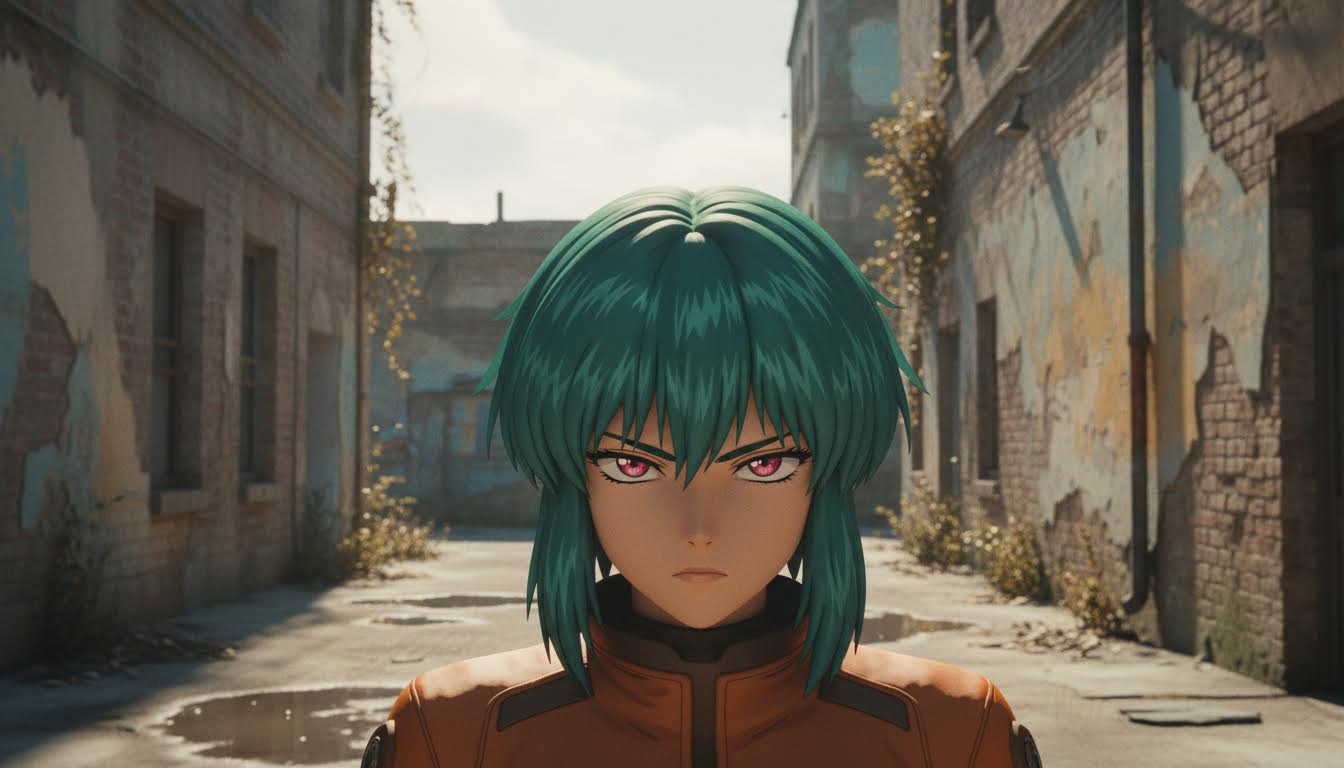
Image credit: Google Veo 3

The new Ghost in the Shell anime won’t mirror Masamune Shirow’s manga beat for beat. Director Mokochan says one key change was unavoidable, even as the team tried to stick close to the source.

If you’ve been itching to check out the new reboot of Ghost in the Shell and wondering just how closely it was going to follow Masamune Shirow’s original manga, you’ll want to know about a particular shift that’s already making waves—even if the envelopes aren’t being pushed quite as far as some might hope.

Why It Had to Change: Broadcast Rules Step In

Director Mokochan has come out and explained that, yes, the creative team behind the reboot are genuine fans of Shirow’s original work and wanted to remain as faithful as possible. But, as it turns out, Japanese TV networks have a few more nerves about certain graphic elements than Shirow did back in his manga days. Basically, since the anime is being made first and foremost for Japanese television, it’s had to dodge the more, let’s say, explicit material.

In Mokochan’s own words:

'Since this work was created primarily with television broadcast in Japan in mind, naturally, when it comes to highly extreme expressions, there are more limits and restrictions compared to theatrical films. However, as creators, we had a strong desire to keep the essence of the original as it was, so we made many creative adjustments to present it in a way that can be broadcast on TV while keeping the original feel.'

The Specific Scene (Why Fans Noticed)

The clearest change hits in Episode 2. In Shirow’s manga, Major Kusanagi isn’t shy about pushing the boundaries, especially in a certain holiday-at-home scene with two female friends—it’s a bit infamous for being extremely explicit. If you were expecting the anime to match that, you’re out of luck. The TV version dials the nudity and intensity right down to a faint echo of what’s on the page. The scene is still there in spirit, but not in letter, and definitely not in flesh.

How Much Freedom Did the Creators Actually Get?

Ironically, the crew at Science SARU—who are producing the reboot—weren’t actually being held back much by the higher-ups when it comes to adapting the story itself. They had a fair bit of creative leeway, according to Mokochan:

'How much we should base it on the original, and to what extent we should make it identical to the original, [we were] given a relatively high degree of freedom to decide. We really love Masamune Shirow’s original manga. As a result, our final direction was to keep the original manga as it was as much as possible.'

So, not every change is a result of studio interference or nervous network execs. For the most part, it came down to what you can actually get away with on Japanese TV before someone sends in a formal complaint letter.

For Reference: What’s Happened So Far?

  • The new Ghost in the Shell anime launched on 7 July.
  • Two episodes are out at the time of writing.
  • The main takeaway is that big deviations from the manga seem to be about TV censorship, not lack of respect for the source.

The new Ghost in the Shell anime won’t mirror Masamune Shirow’s manga beat for beat. Director Mokochan says one key change was unavoidable, even as the team tried to stick close to the source.

If you’ve been itching to check out the new reboot of Ghost in the Shell and wondering just how closely it was going to follow Masamune Shirow’s original manga, you’ll want to know about a particular shift that’s already making waves—even if the envelopes aren’t being pushed quite as far as some might hope.

Why It Had to Change: Broadcast Rules Step In

Director Mokochan has come out and explained that, yes, the creative team behind the reboot are genuine fans of Shirow’s original work and wanted to remain as faithful as possible. But, as it turns out, Japanese TV networks have a few more nerves about certain graphic elements than Shirow did back in his manga days. Basically, since the anime is being made first and foremost for Japanese television, it’s had to dodge the more, let’s say, explicit material.

In Mokochan’s own words:

'Since this work was created primarily with television broadcast in Japan in mind, naturally, when it comes to highly extreme expressions, there are more limits and restrictions compared to theatrical films. However, as creators, we had a strong desire to keep the essence of the original as it was, so we made many creative adjustments to present it in a way that can be broadcast on TV while keeping the original feel.'

The Specific Scene (Why Fans Noticed)

The clearest change hits in Episode 2. In Shirow’s manga, Major Kusanagi isn’t shy about pushing the boundaries, especially in a certain holiday-at-home scene with two female friends—it’s a bit infamous for being extremely explicit. If you were expecting the anime to match that, you’re out of luck. The TV version dials the nudity and intensity right down to a faint echo of what’s on the page. The scene is still there in spirit, but not in letter, and definitely not in flesh.

How Much Freedom Did the Creators Actually Get?

Ironically, the crew at Science SARU—who are producing the reboot—weren’t actually being held back much by the higher-ups when it comes to adapting the story itself. They had a fair bit of creative leeway, according to Mokochan:

'How much we should base it on the original, and to what extent we should make it identical to the original, [we were] given a relatively high degree of freedom to decide. We really love Masamune Shirow’s original manga. As a result, our final direction was to keep the original manga as it was as much as possible.'

So, not every change is a result of studio interference or nervous network execs. For the most part, it came down to what you can actually get away with on Japanese TV before someone sends in a formal complaint letter.

For Reference: What’s Happened So Far?

  • The new Ghost in the Shell anime launched on 7 July.
  • Two episodes are out at the time of writing.
  • The main takeaway is that big deviations from the manga seem to be about TV censorship, not lack of respect for the source.