

The 3 unbreakable Studio Ghibli rules that still shape its films 40 years on
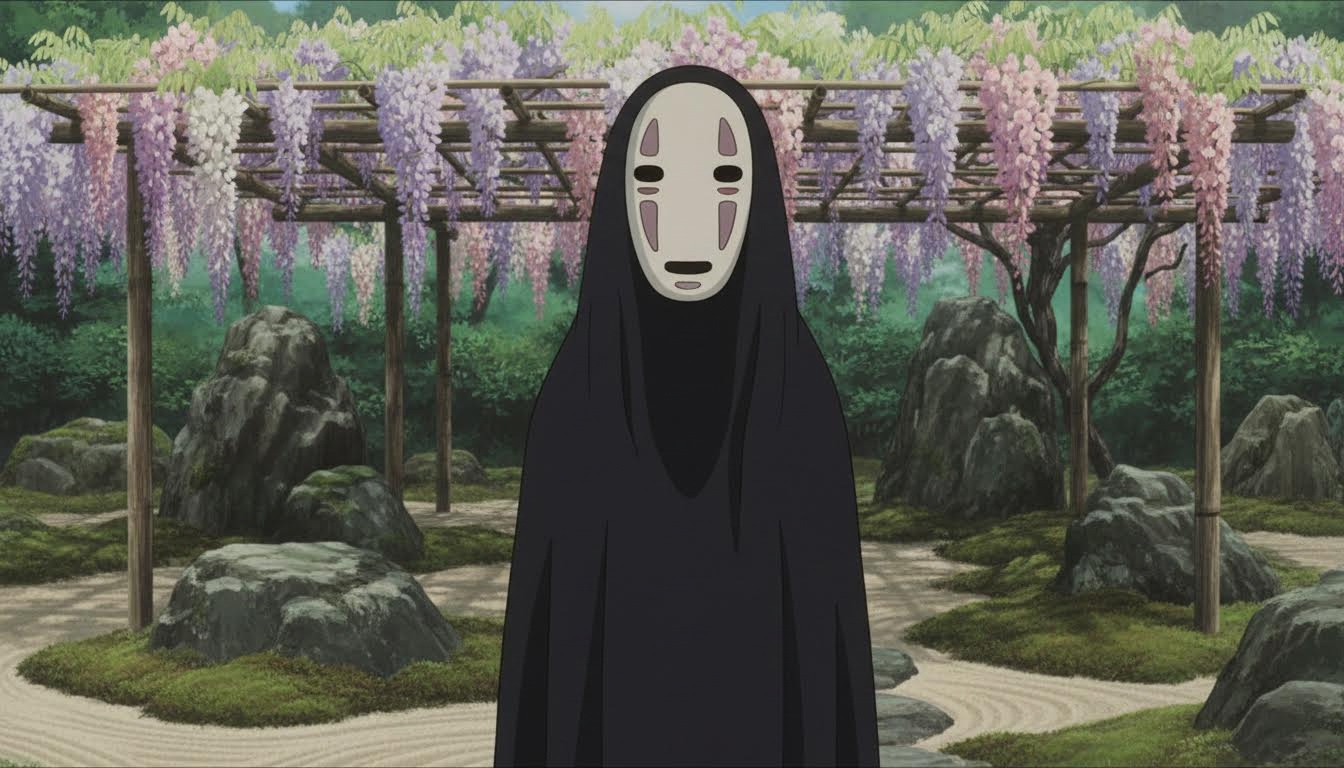
Three unbreakable rules have powered Studio Ghibli for over 40 years—defining its worlds, its heroes, and why its films still feel like magic.
Studio Ghibli has spent 40-plus years doing the opposite of what the rest of animation keeps telling itself to do. Bigger pipelines? Faster tools? Outsource it to a thousand people and a few algorithms? Ghibli keeps shrugging and going back to pencils, paper, and small rooms full of lifers who care way too much about the way a breeze moves grass. That stubbornness is the point.
The three rules Ghibli won’t let go of
- Draw it by hand, even when the computer would be cheaper and faster.
- Keep the team small enough that the work still feels personal.
- Let one clear creative vision lead, not a room full of approvals.
1) Hand over hardware
There is a tactile, slightly obsessive quality to Ghibli’s images that you can spot instantly. Clouds in My Neighbor Totoro, the floating cities in Castle in the Sky, the churning ocean in Ponyo — they look like someone worried over them, because someone did. Producer Toshio Suzuki said back in 2008 that Hayao Miyazaki personally drew the waves in Ponyo on the Cliff by the Sea because the ocean needed a human touch, not a render queue. It tracks with the rest of the filmography: the soot sprites skittering around Spirited Away, grass compressing under Totoro’s feet — tiny sensations you can almost feel because they were sketched, not simulated.
Ghibli has dabbled with digital tools. Howl’s Moving Castle mixed in CGI here and there, but Miyazaki reportedly tossed some of it when the hand-drawn version simply felt better. It’s not anti-technology for the sake of it; it’s pro-feeling. Same energy as that clip that did the rounds in 2025 of Miyazaki reacting to AI-generated art with open disgust — he’s never been shy about where he draws the line. And fans keep meeting the work on those terms too; even a Howl’s Moving Castle redraw challenge popped up a while back because those lines practically dare you to study them.
2) Small on purpose
Most big animation studios count staff in the thousands. Ghibli’s headcount has historically bounced somewhere in the ballpark of roughly 150 to 280 employees across the whole company. That scale is out of step with the rest of the industry — intentionally.
Look at The Boy and the Heron. The Oscar winner was reportedly animated by around 60 people. Sixty. Yet it’s packed with some of Miyazaki’s most intricate imagery: that swirling parakeet kingdom with its oddball momentum, the impossible tower that seems to fold space in on itself. The takeaway isn’t that smaller is automatically better; it’s that intimacy lets them sweat the right details.
3) One vision, not a committee
Plenty of modern blockbusters are built by notes and focus groups. Studio Ghibli has spent decades batting that model away. Toshio Suzuki has long described a setup where Miyazaki’s instincts set the course rather than a committee sanding every edge. Ponyo didn’t start as an IP expansion; it came out of Miyazaki living by the sea and wanting to draw a simple story about a goldfish princess, then pushing deeper into how it should feel instead of bigger into what else it could franchise.
That’s why Ghibli movies wander in ways most tentpoles don’t. Kiki’s Delivery Service stops to sit with a girl getting lonely in a new city. Princess Mononoke refuses to hand you clean-cut heroes and villains. Spirited Away just lets you ride a train across flooded tracks because the quiet is part of the spell. No one walked in and said: speed this up, flatten it out, test it again.
Maybe the real trick with Ghibli isn’t the spirits, forests, or flying machines — it’s the refusal to budge on the stuff that built the studio in the first place. Four decades on, those rules are still in every frame.
Which of these Ghibli traditions matters most to you? And what’s the one shot or moment that lives rent-free in your head? Drop it in the comments.